The answer in brief
A coordinated route from product selection through packaging can help simplify launch planning. In practical terms, this topic is about a private-label product plan built around high-priority EV service applications. For EV-fluid importers, distributors and private-label teams, the objective is not simply to collect product names; it is to turn product research into a clear application-led sourcing decision.
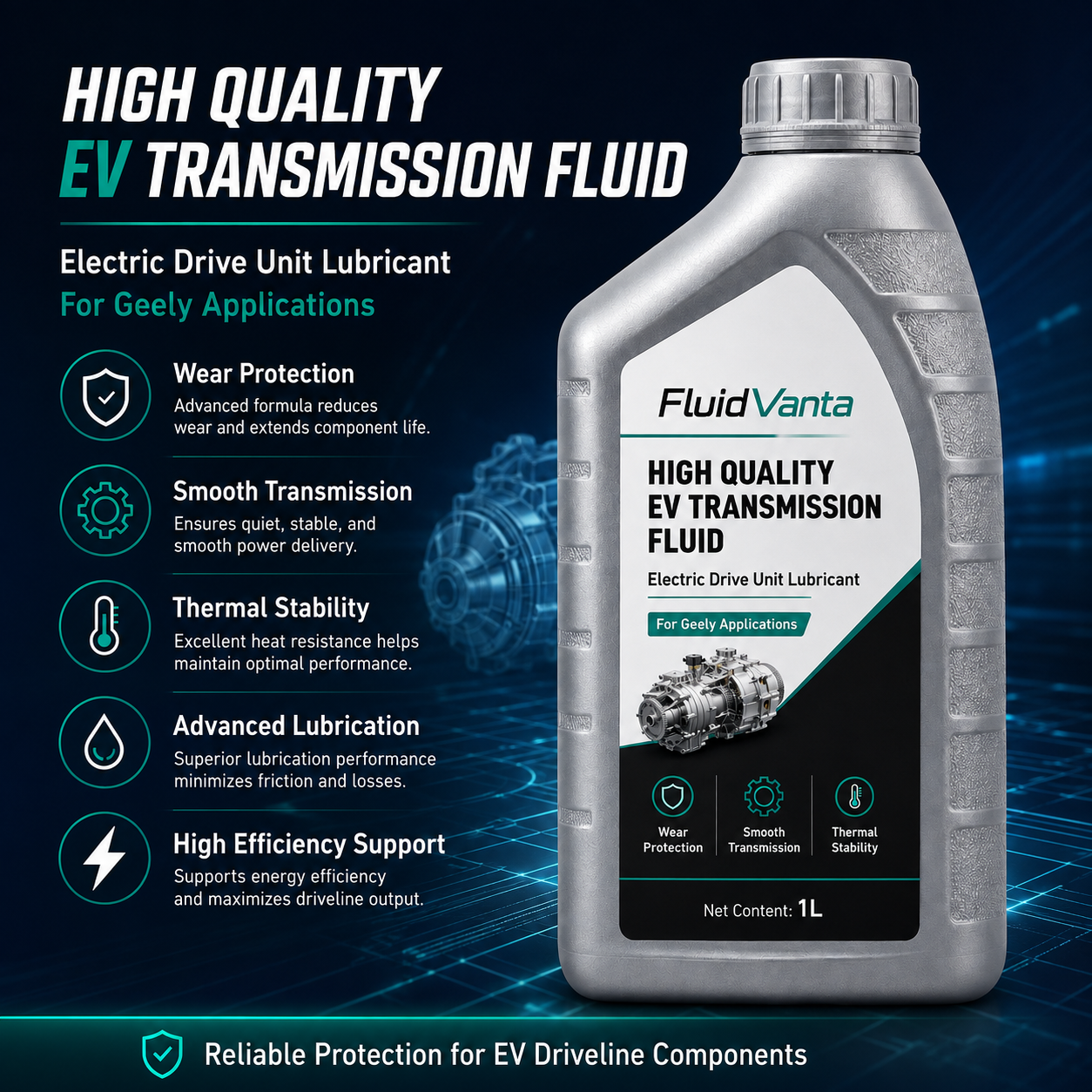
A practical launch can begin with EV E-Drive Fluid, EV Gear Oil, EV Coolant and EV Brake Fluid, then extend to windshield washer fluids or EV A/C compressor oil as the customer base grows.
Brand owners need a range that makes sense to their sales team, distributors and workshop customers—not a long list of overlapping grades. This is where e-drive fluid private label, EV gear oil private label and battery coolant packaging should be used as precise product and application terms—not as interchangeable labels.
What buyers should evaluate before making a decision
Prioritize the core applications first. This is the first filter for a practical EV-fluid, aftermarket or supply-chain conversation before a buyer compares packaging or price alone.
Create consistent labels and pack formats. It turns broad demand into a product brief that can be shared with engineering, procurement, sales and downstream distribution teams.
Build a practical route from sample to repeat order. Treat this as a repeatable approval process: confirm the point of use, collect the relevant product information and keep the market route visible from the beginning.
A common launch mistake is finalizing labels and cartons before clarifying the application story, product information and repeat-order plan. A useful working brief therefore identifies the system, the intended product category, the target customer, the necessary documentation and the next technical or commercial question.
How the topic changes by market and sales channel
The right starter range changes with local vehicle parc, climate, channel mix, workshop capability and the buyer's desired price-positioning.
For a distributor, the same topic may affect range planning and sales training. For a workshop network, it may affect application guidance and handling. For a private-label program, it may affect the label story, pack choice and the documentation that accompanies brake fluid OEM supply.
This market context is important for answer-oriented search as well: an effective article should give a direct explanation, name the connected product categories and show the verification steps rather than making broad claims of universal suitability.
A practical next step for EV-fluid sourcing
Set a portfolio hierarchy, define a visual packaging system and use samples to test product presentation before committing to bulk production.
Record the vehicle system, performance direction, documentation and packaging route in one working brief. This gives teams a clearer basis for supplier discussions, sample requests and internal approval while avoiding over-promising suitability before the necessary product information is reviewed.
For EV-fluid importers, distributors and private-label teams, the most useful outcome is a clear, shareable decision trail: why this product group is being considered, which system it supports, what evidence is still needed and how the selected range will be presented in the target market.